
What Causes Flickering Lights in Commercial Buildings?
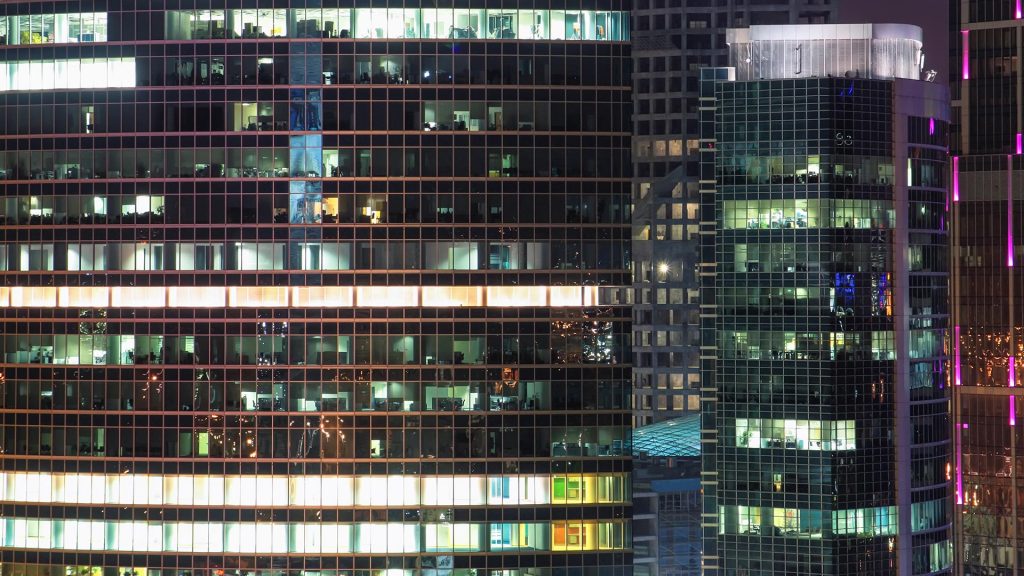
Flickering lights in a commercial building can be more than just an annoyance. For employees, customers, and business owners, inconsistent lighting can signal underlying electrical issues that should not be ignored. In some cases, the cause may be simple and easy to fix. In others, flickering lights may indicate a deeper problem within the building’s electrical system.
Understanding what causes this issue can help business owners and facility managers identify potential risks early and determine when it’s time to consult a qualified electrician or electrical contractor.
Why Consistent Lighting Matters for Businesses
Lighting plays a critical role in the operation of most commercial spaces. Offices, retail stores, warehouses, restaurants, and industrial facilities all depend on stable electrical systems to maintain productivity and safety.
When lights begin flickering, it can lead to several problems:
- Reduced visibility for employees and customers
- Negative impressions in customer-facing environments
- Potential safety concerns in work areas
- Strain on lighting fixtures and electrical components
Occasional flickering may not always indicate a serious problem, but repeated or widespread flickering often suggests that something in the electrical system requires attention.
Common Causes of Flickering Lights in Commercial Buildings
Several factors can cause lighting instability in commercial environments. Identifying the root cause is the first step toward resolving the issue.
1. Loose Electrical Connections
One of the most common reasons lights flicker is a loose electrical connection somewhere in the system. Over time, wiring connections inside fixtures, switches, or electrical panels can loosen due to vibration, aging components, or improper installation.
Loose connections interrupt the steady flow of electricity, causing lights to dim or flicker. In commercial settings where equipment is frequently running, these connections may experience more wear than in typical residential electrical systems.
Loose wiring can also pose a safety hazard if not addressed promptly, as it can generate heat and potentially damage electrical components.
2. Failing Light Bulbs or Fixtures
Sometimes the problem is as simple as a bulb nearing the end of its lifespan. Fluorescent bulbs and older lighting technologies are especially prone to flickering as they age.
Other fixture-related causes include:
- Faulty ballasts in fluorescent lighting
- Worn-out LED drivers
- Poor bulb installation
Replacing bulbs or upgrading outdated fixtures can often solve these issues quickly. However, if flickering persists after replacing bulbs, the problem may lie deeper within the electrical system.
3. Overloaded Circuits
Commercial buildings often rely on multiple circuits to power lighting, equipment, computers, and HVAC systems. When too many devices draw power from the same circuit, it can lead to fluctuations in voltage.
These fluctuations can cause lights to flicker, particularly when heavy equipment or appliances cycle on and off.
Signs of overloaded circuits may include:
- Lights dimming when machinery starts up
- Frequent circuit breaker trips
- Warm electrical outlets or panels
In these situations, a licensed electrician contractor may need to evaluate the building’s power distribution to ensure the load is properly balanced.
4. Voltage Fluctuations
Voltage fluctuations occur when the electrical supply feeding the building varies unexpectedly. These changes may originate from inside the building or from the utility provider supplying power to the property.
Inside the building, large equipment such as compressors, refrigeration units, or manufacturing machinery can temporarily pull large amounts of electricity. When this happens, nearby lighting systems may experience brief drops in voltage, causing them to flicker.
If voltage fluctuations are frequent or severe, an electrical contractor may recommend installing voltage regulators or upgrading certain parts of the system.
5. Aging Electrical Infrastructure
Many commercial buildings operate with electrical systems that were installed decades ago. As wiring, panels, and components age, they may struggle to support modern electrical demands.
Older systems may experience:
- Degraded wiring insulation
- Worn circuit breakers
- Outdated panels with limited capacity
When these systems become stressed, inconsistent power delivery can result in flickering lights throughout the building. In these cases, a professional inspection by a qualified electrician can help determine whether upgrades are necessary.
6. Problems with the Utility Supply
Not all electrical problems originate inside the building. In some cases, flickering lights may be caused by issues with the external power supply from the utility provider.
These situations may include:
- Nearby construction affecting power lines
- Faulty transformers
- Temporary grid instability during peak demand
If multiple businesses in the area experience flickering lights simultaneously, the issue may be outside the building’s electrical system.
When Flickering Lights Should Not Be Ignored
While occasional flickering may seem harmless, certain warning signs indicate that the issue should be investigated as soon as possible.
These include:
- Flickering lights across multiple rooms or floors
- Buzzing sounds from electrical panels or fixtures
- Burning smells near lighting equipment
- Lights that dim when other equipment turns on
These symptoms may point to underlying electrical problems that could worsen if left unresolved.
How Electrical Professionals Diagnose the Issue
When flickering lights persist, diagnosing the cause often requires specialized tools and experience. A qualified electrical contractor typically begins by inspecting several key areas of the building’s electrical system, including:
- Lighting fixtures and ballasts
- Circuit breakers and service panels
- Electrical connections and wiring
- Load distribution across circuits
By testing voltage levels and examining the system under normal operating conditions, an electrician can identify where fluctuations or interruptions are occurring.
Final Thoughts
Flickering lights in commercial buildings are often an early indicator that something within the electrical system needs attention. While the cause may be as simple as an aging bulb or fixture, it can also signal more complex issues such as overloaded circuits, loose wiring, or outdated infrastructure.
Understanding the potential causes can help business owners and facility managers recognize when a minor inconvenience may require professional evaluation. When lighting problems persist, consulting an experienced electrician or electrical contractor can help ensure the building’s electrical system remains safe, reliable, and capable of supporting daily operations.