
How Often Should Gas Station Electrical Systems Be Tested?
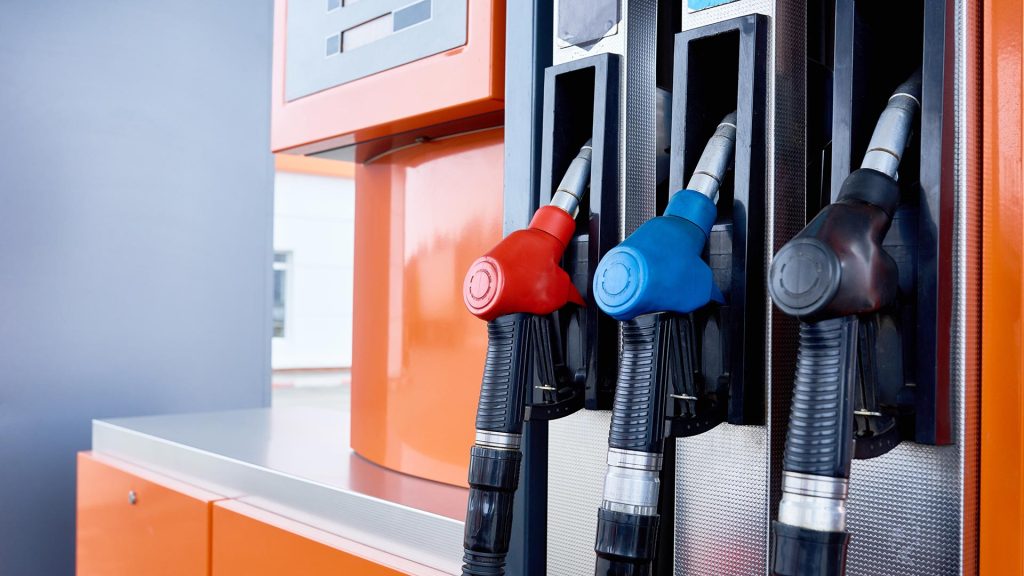
Gas station electrical systems should be inspected and tested on a regular basis as part of a preventative maintenance program. While there is no single testing schedule that applies to every fueling station, electrical inspections are typically performed during routine maintenance, after equipment upgrades, when electrical issues occur, or to help meet regulatory and insurance requirements. Regular testing helps identify potential problems before they lead to equipment failure, downtime, or safety concerns.
Why Is Regular Electrical Testing Important?
Gas stations rely on complex electrical systems to safely operate fuel dispensers, lighting, point of sale systems, fuel monitoring equipment, and other essential infrastructure.
Unlike many commercial buildings, gas stations operate in environments where flammable vapours may be present. This makes proper electrical installation, maintenance, and testing especially important.
Routine testing can help:
- Identify worn or damaged electrical components.
- Detect loose electrical connections.
- Verify that safety systems are operating correctly.
- Reduce the risk of unexpected equipment failures.
- Minimize costly downtime.
- Support safe operation of the facility.
Is There a Required Testing Schedule?
There is no universal rule in Canada that requires every gas station to have its electrical system tested on a specific annual or monthly schedule.
Instead, the appropriate frequency depends on factors such as:
- The age of the facility.
- The condition of the electrical equipment.
- Manufacturer maintenance recommendations.
- Provincial regulations.
- Insurance requirements.
- Site operating conditions.
- The recommendations of a qualified electrical contractor.
Many gas station owners include electrical inspections as part of an ongoing preventative maintenance program rather than waiting until a problem develops.
When Should a Gas Station’s Electrical System Be Inspected?
Certain situations should always prompt an electrical inspection.
| Situation | Why an Inspection Is Recommended |
|---|---|
| Routine preventative maintenance | Helps identify issues before they become failures. |
| After major equipment installation or replacement | Confirms new equipment has been installed and is operating correctly. |
| Following an electrical fault or power outage | Checks for damage before returning systems to normal operation. |
| If breakers trip repeatedly | May indicate an underlying electrical issue. |
| When lighting, pumps, or equipment behave unexpectedly | Helps diagnose developing problems before they worsen. |
What Does Electrical Testing Typically Include?
The exact scope depends on the facility and its equipment, but a qualified electrician may inspect or test items such as:
- Electrical panels.
- Circuit breakers.
- Wiring and connections.
- Fuel dispenser electrical systems.
- Canopy lighting.
- Emergency shut off circuits.
- Grounding and bonding systems.
- Underground electrical infrastructure where accessible.
- Electrical equipment serving fuel monitoring systems.
Testing is often combined with a visual inspection to identify signs of wear, corrosion, moisture intrusion, or overheating.
What Are the Risks of Delaying Electrical Maintenance?
Putting off inspections can allow small electrical issues to become much larger problems.
Potential consequences include:
- Unexpected equipment failures.
- Fuel dispenser downtime.
- Service interruptions.
- More expensive repairs.
- Reduced equipment lifespan.
- Increased safety risks.
Preventative maintenance is often less costly than emergency repairs and helps keep your facility operating reliably.
Who Should Perform Electrical Testing at a Gas Station?
Gas stations contain specialized electrical equipment that requires experience working in petroleum facilities and hazardous locations.
Testing and maintenance should be performed by a qualified electrician who understands the unique requirements of fueling stations and follows all applicable electrical codes and safety procedures.
Frequently Asked Questions
Do gas stations need regular electrical inspections?
Yes. Regular inspections are an important part of preventative maintenance and help identify electrical issues before they cause equipment failures or safety concerns.
Is electrical testing required after replacing fuel dispensers?
An inspection or testing may be appropriate after installing or replacing major electrical equipment to verify proper operation and ensure the installation meets applicable requirements.
How can I tell if my gas station has an electrical problem?
Common warning signs include breakers that trip repeatedly, intermittent power loss, lighting issues, equipment that operates inconsistently, or fuel dispensers that unexpectedly lose power.
Can preventative maintenance reduce downtime?
Yes. Routine inspections often identify developing issues before they lead to equipment failures, helping reduce unexpected downtime and costly emergency repairs.
Should older gas stations be inspected more often?
Older electrical systems may require closer monitoring depending on their condition, maintenance history, and the recommendations of a qualified electrical contractor.
Contact Us
Keeping your gas station’s electrical systems in good working condition is essential for safe, reliable operation. Whether you need preventative maintenance, troubleshooting, equipment upgrades, or electrical repairs, our experienced team understands the unique requirements of petroleum facilities.
Contact us today to schedule a gas station electrical inspection or discuss a preventative maintenance program tailored to your facility.